

Oceanwide Plaza: Still Standing, Future Still Uncertain
For South Park residents, Oceanwide Plaza has become more than a stalled construction project. It is now part of the daily experience of living downtown. The unfinished towers loom over Figueroa and Olympic as a constant reminder of both DTLA’s enormous potential and its very public failures.
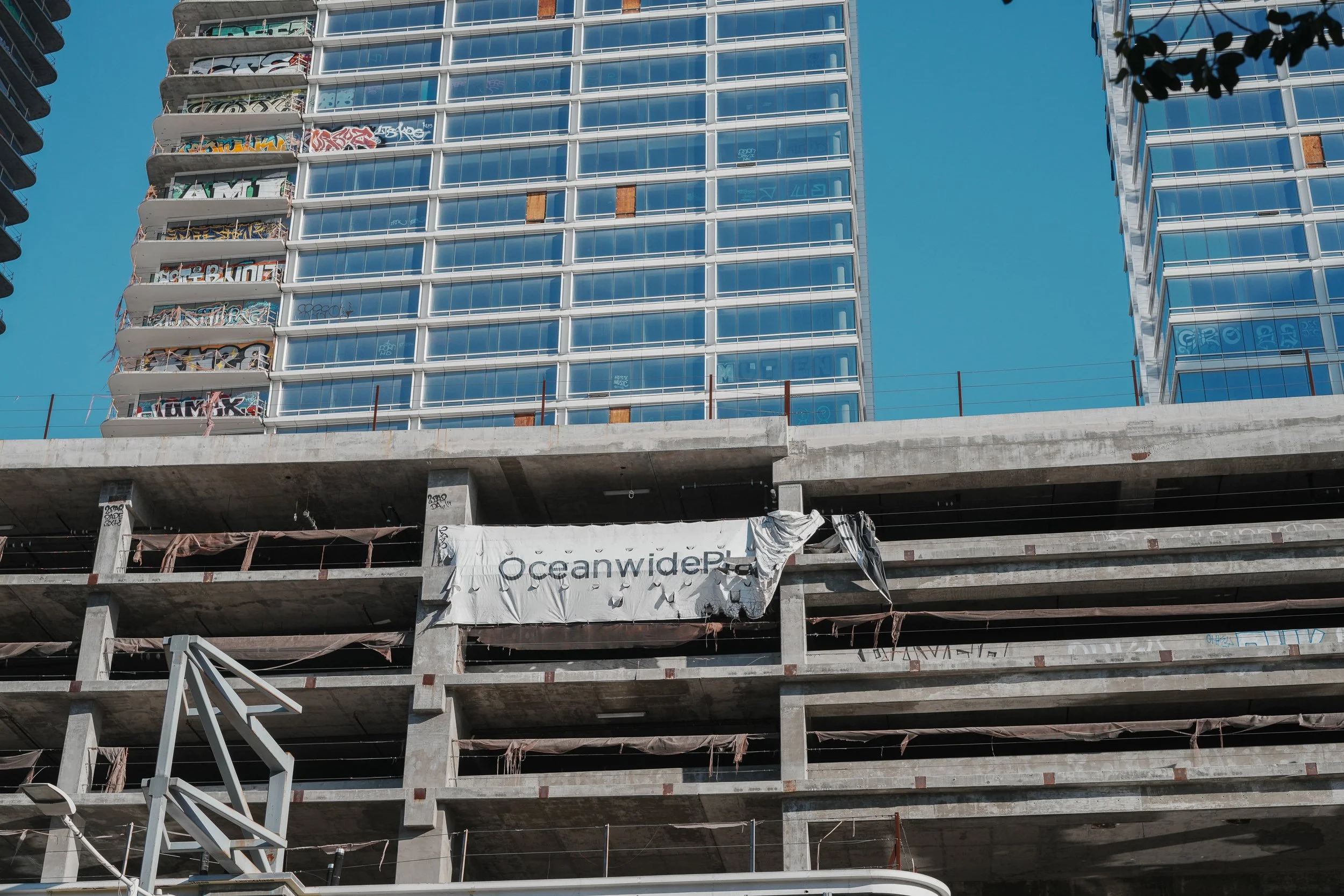
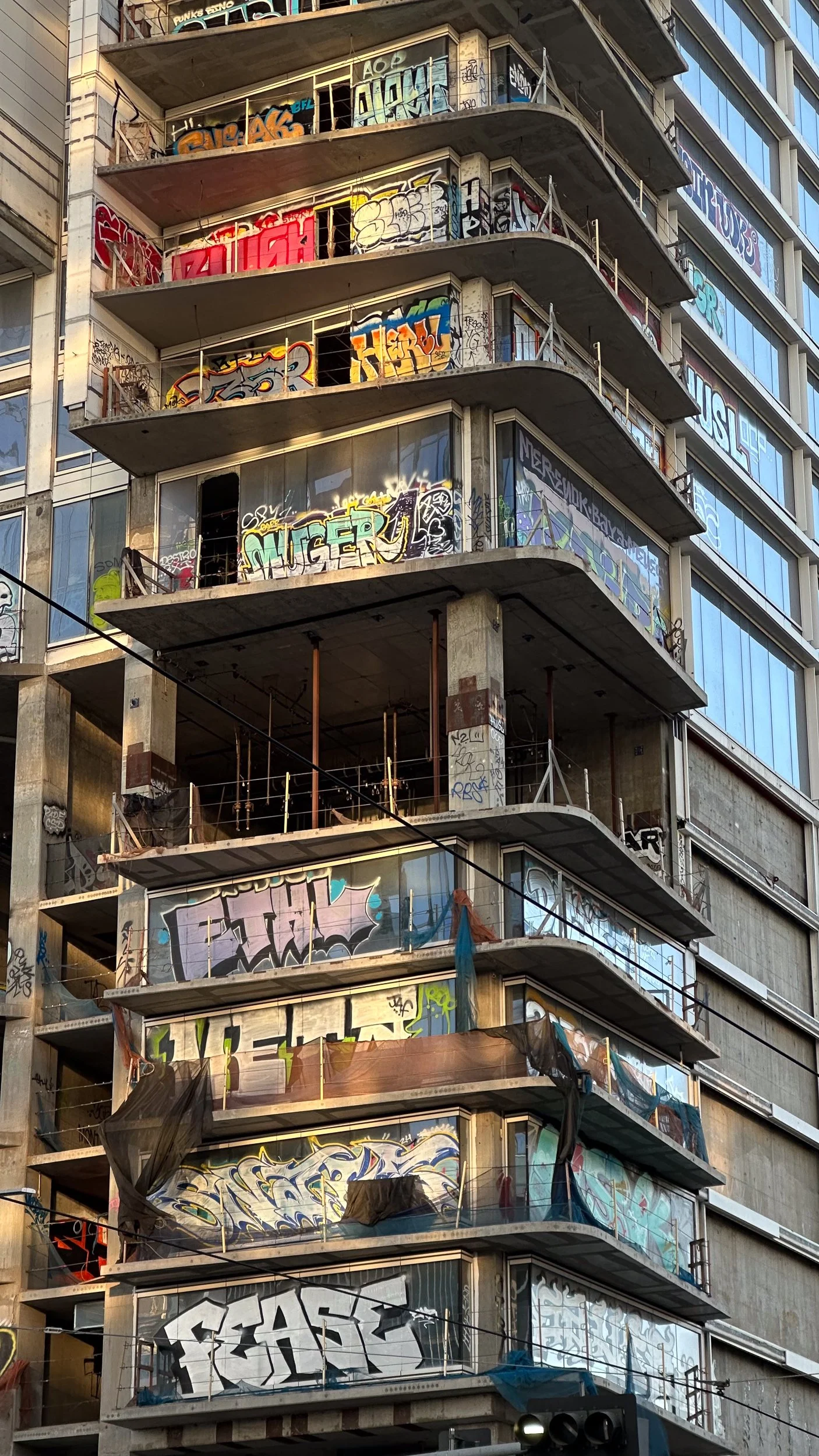
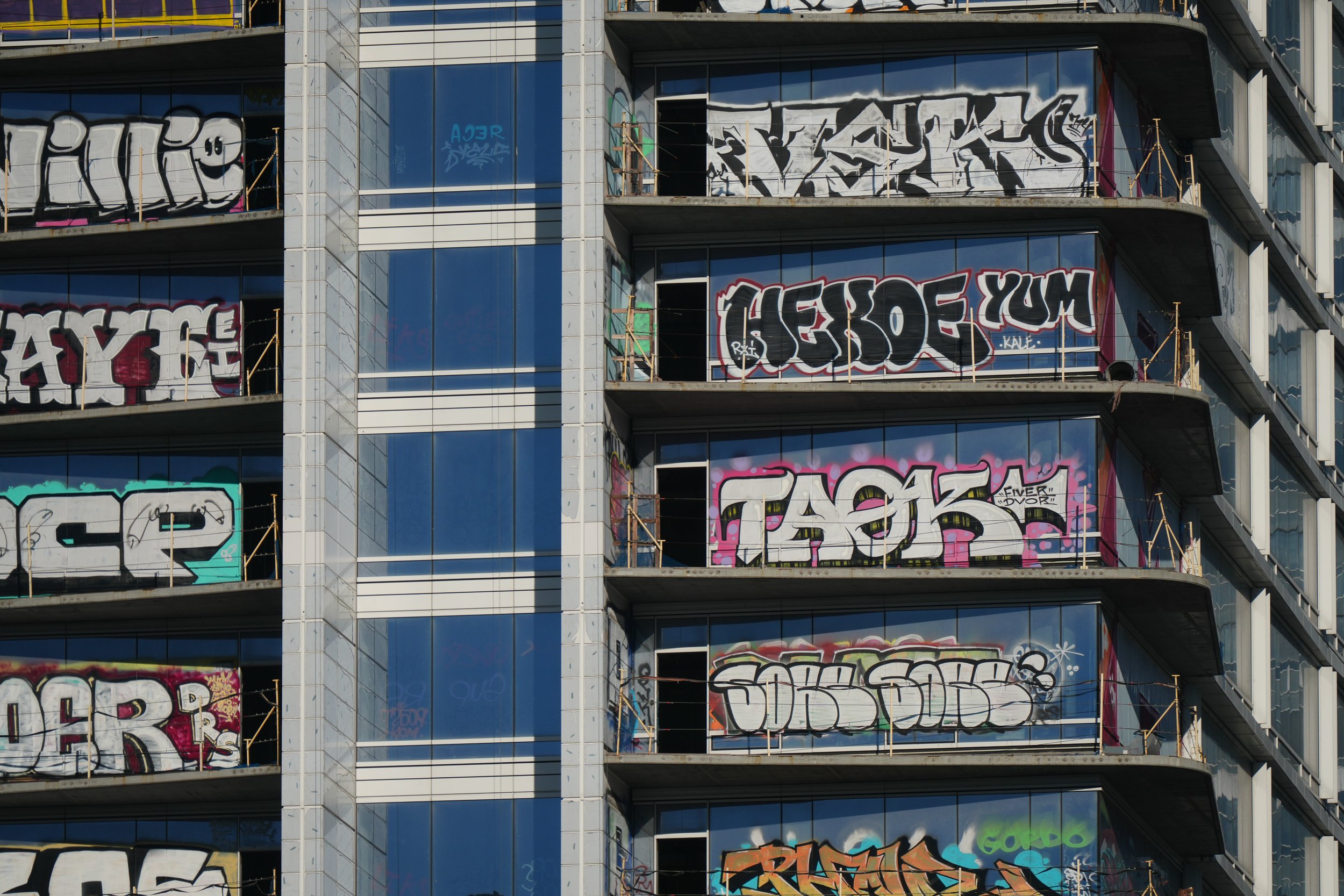
Earlier this year, there appeared to be growing momentum toward a long-awaited restart. A proposed $470 million acquisition by KPC Group and Lendlease suggested the project might finally emerge from years of paralysis. But after following the recent bankruptcy filings and court proceedings closely, it is clear the situation has become significantly more complicated.
The proposed transaction is still alive. But it is no longer moving toward quick approval.
The bankruptcy court has now officially delayed the confirmation hearing until July 20 after the City of Los Angeles filed a major objection challenging the feasibility of the current redevelopment plan. Recent reporting from The Real Dealconfirms what the court filings have increasingly suggested over the past several weeks: the city is no longer convinced the current buyer group has presented a sufficiently detailed or executable path to completing the project.
That delay is not a minor procedural issue. It is a meaningful setback for both the project and the broader hope that Oceanwide could show visible progress before the 2028 Olympics.
The city’s objection is particularly important because it does not focus on aesthetics or politics. It focuses on execution. After months of meetings, site visits, and discussions with the proposed buyers, the city essentially concluded that it still lacks confidence in how the project would realistically move forward. Concerns raised in court filings include financing certainty, construction sequencing, entitlements, permitting, and the absence of a sufficiently detailed redevelopment roadmap. (The Real Deal)
In simpler terms, the city is asking a reasonable question: can this team actually finish the project?
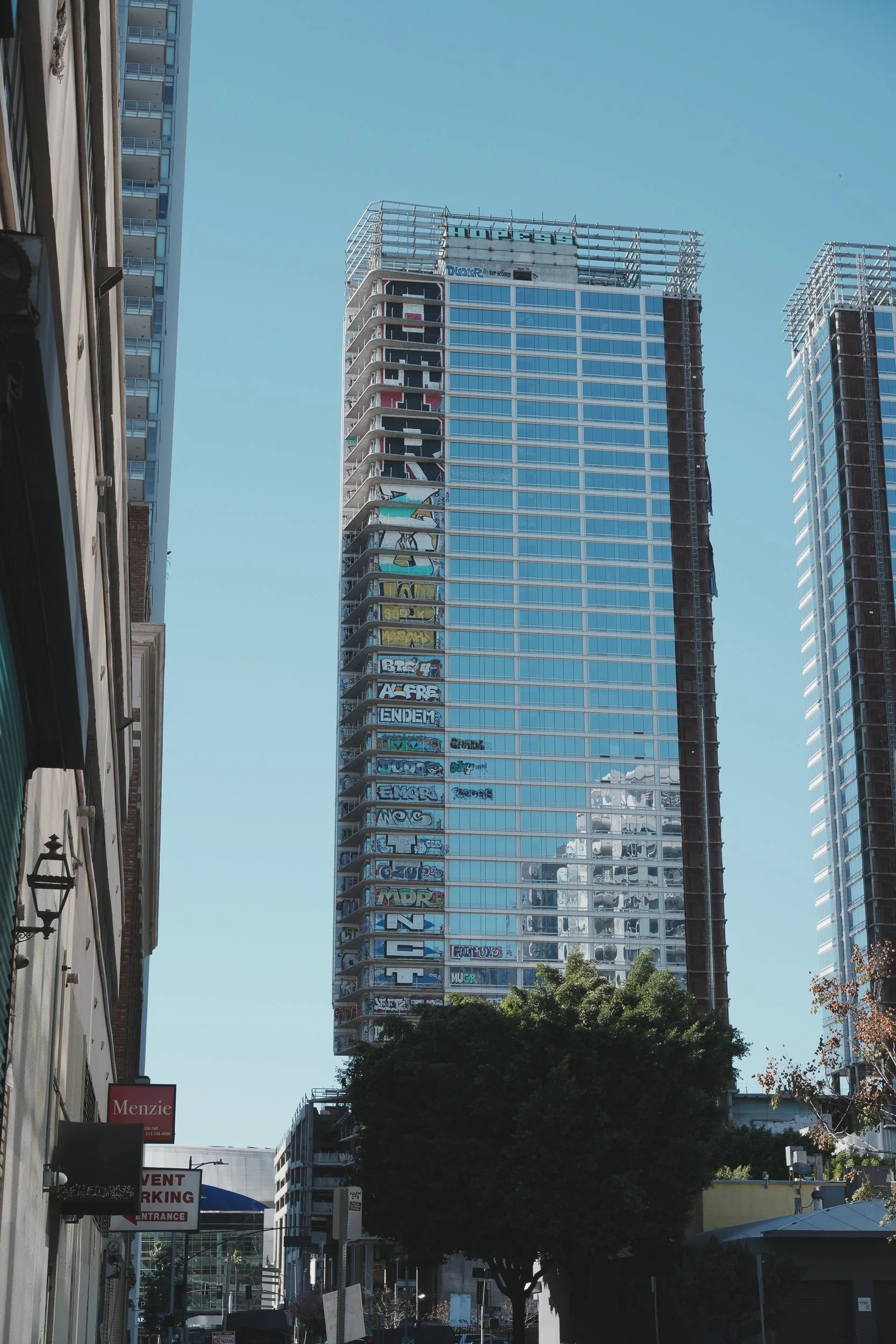
That question matters because Oceanwide is no longer just another distressed real estate asset. It sits directly across from Crypto.com Arena and adjacent to the convention center and Olympic core. The world will eventually see this site. And while a fully completed project before the Olympics was always unlikely, there was still hope that substantial progress could be made in time to improve one of downtown’s most visible scars.
That timeline now feels increasingly compressed.
Large-scale high-rise projects do not restart quickly after sitting dormant for six years. Restarting Oceanwide would require far more than removing graffiti and fencing. It means rebuilding construction momentum, securing financing, mobilizing contractors, revisiting engineering and safety reviews, updating permits, coordinating labor, and absorbing the enormous cost of completion. Industry estimates to finish the project have approached or exceeded $1 billion. (Los Angeles Times)
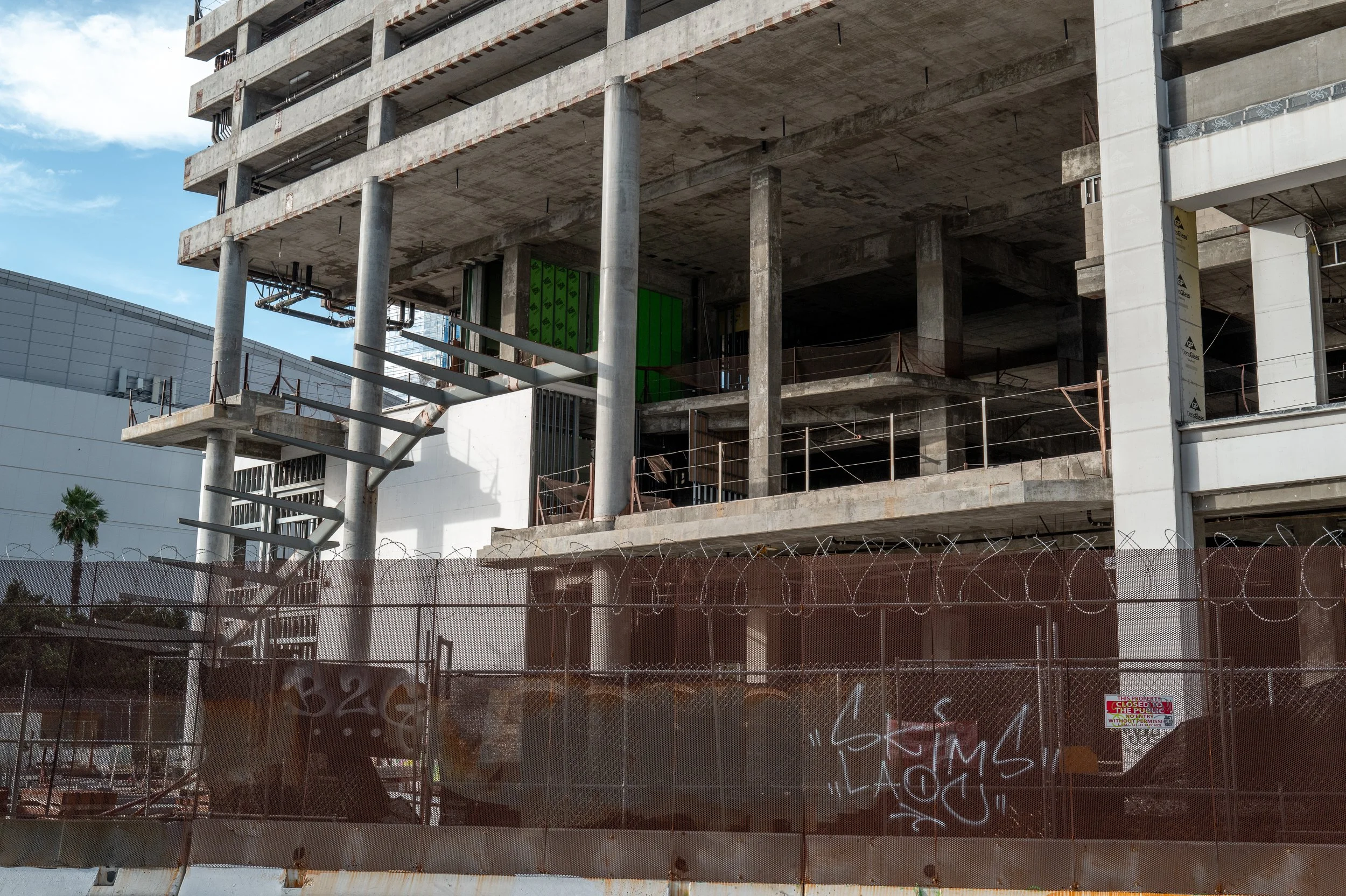
Every additional delay pushes meaningful progress further into the future.
At the same time, the recent court filings also show that stakeholders are not walking away from the site. In fact, the opposite is happening. The bankruptcy court recently approved an extension of Oceanwide’s debtor-in-possession financing through July 31, increasing available funding to more than $20 million to continue paying for security, maintenance, operations, professional fees, and graffiti abatement while negotiations continue.
That detail matters because it signals that lenders, creditors, the city, and the debtor still believe preserving the asset has more value than forcing an immediate liquidation.
In practical terms, Oceanwide has entered what is essentially a negotiated holding pattern. The current KPC transaction remains the active framework, but it is clearly under pressure and likely requires substantial revisions if it is going to survive. At the same time, reports continue to circulate about alternative interest in the project, including a possible structure involving Cityview and CEO Sean Burton. (The Real Deal)
For residents of South Park, the legal and financial maneuvering ultimately translates into something far simpler. The towers remain unfinished. The graffiti remains visible. The project continues to cast a shadow over one of the most important intersections in downtown Los Angeles.
And yet, despite all the setbacks, one thing has changed over the last year. Oceanwide is no longer abandoned. It is now actively being negotiated, litigated, financed, and contested in a way it had not been for years.
That does not guarantee a successful outcome. But it does suggest that the next several months may determine whether Oceanwide finally begins moving toward completion, or whether downtown Los Angeles faces yet another reset in the search for a credible path forward.
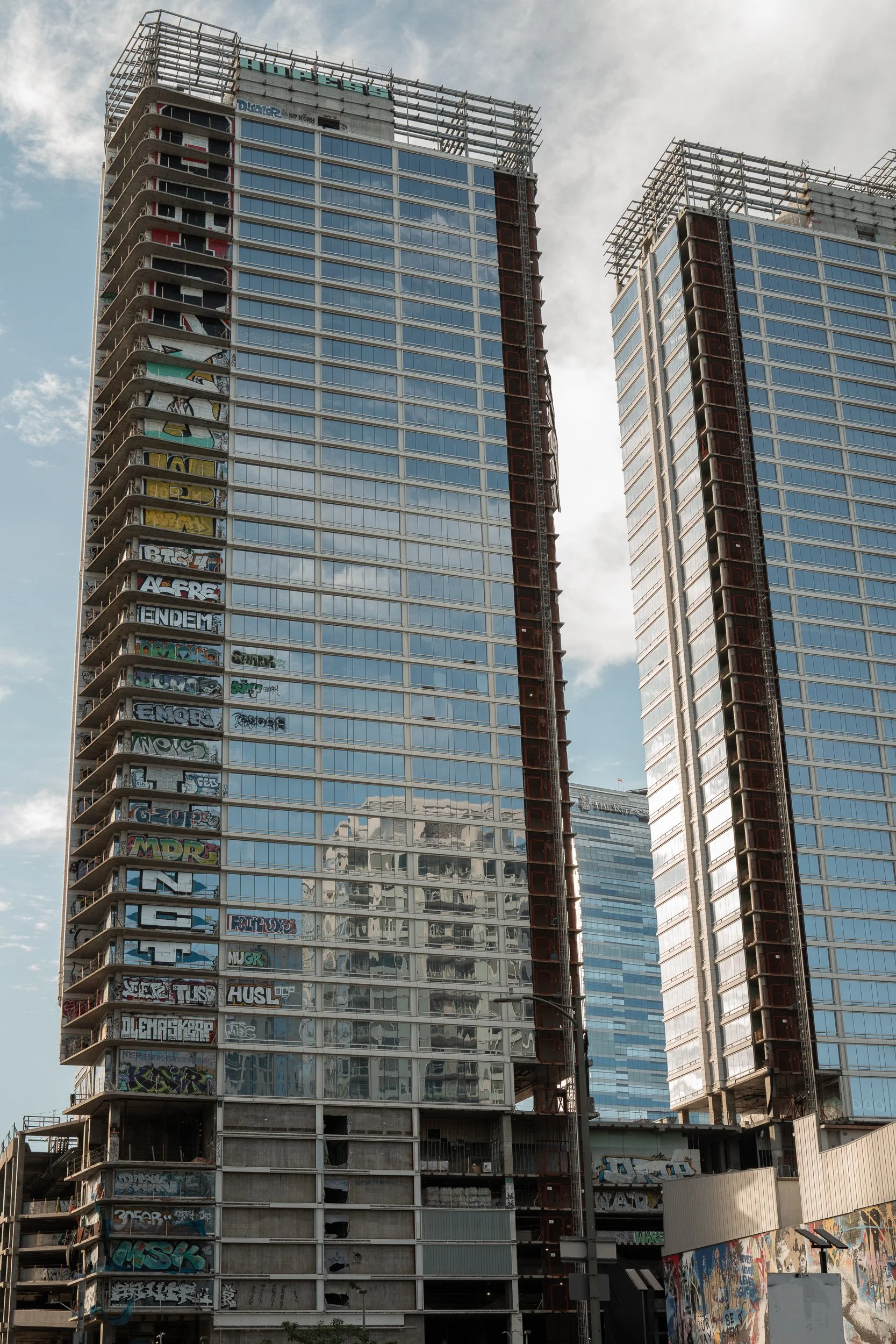
For additional background on the recent court pushback and buyer uncertainty, The Real Deal’s recent coverage is worth reading, along with earlier reporting from the Los Angeles Times on the original KPC proposal and project economics.
Michael Robleto is a Downtown Los Angeles resident and Board Member of the South Park Neighborhood Association. He has lived in South Park since 2009 and closely follows development, housing, and urban planning issues affecting downtown Los Angeles and the surrounding communities. Under his Bungalow Agent brand, he specializes in architecturally significant residential real estate across Los Angeles.
Michael Robleto
Realtor @Compass
michael.robleto@compass.com