

The top three issues in the California governor’s race:
(1) affordability from housing to gas prices to groceries – 61% recently polled said affordability was very important.
(2) public safety including homeless issues – 80% of those polled are concerned with 37% of them very concerned.
(3) accountability – the state budget was a problem for 47% of those polled.
Two Republicans and three Democrats are the current top five candidates for California governor according to recent polls.
Candidate, Party, Background:
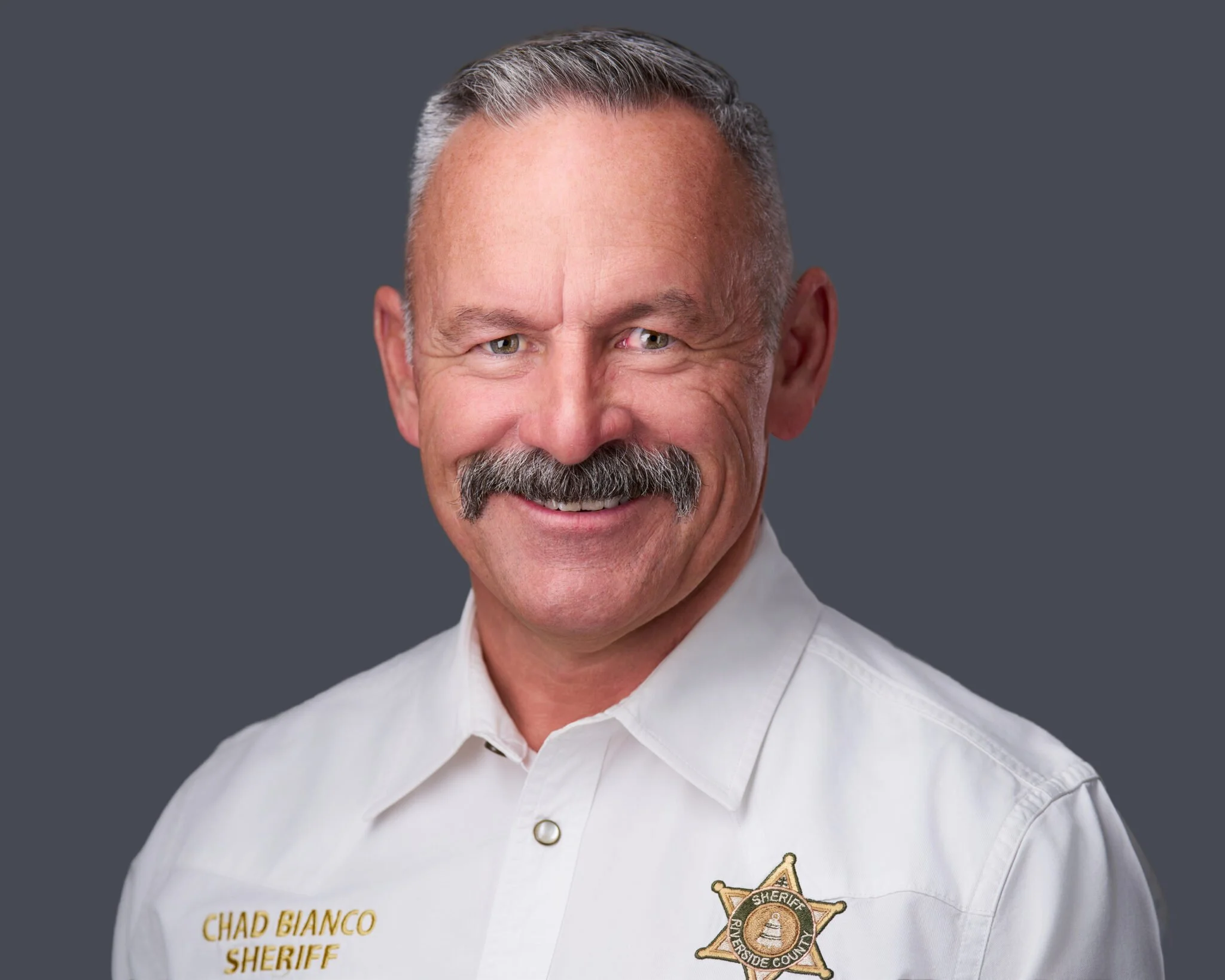
Chad Bianco, (Republican), Riverside County Sherrif; known for “law and order”
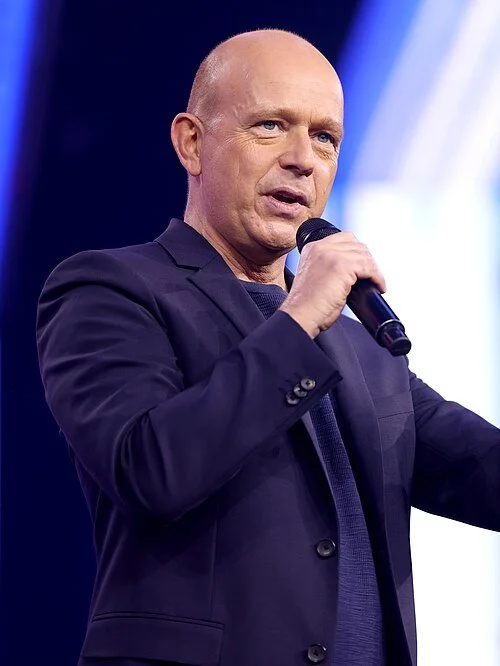
Steve Hilton, (Republican), Former Fox news host; worked for UK prime minister
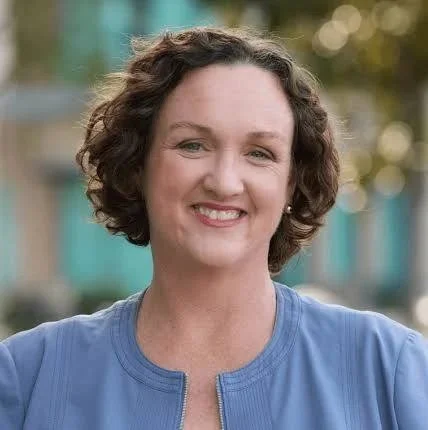
Katie Porter , (Democrat), Former US representative; consumer protection advocate

Tom Steyer, (Democrat), Billionaire climate activist; 2020 presidential candidate
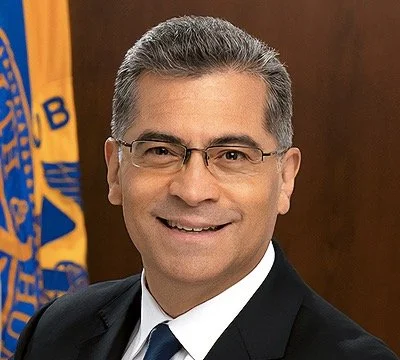
Xavier Becerra, (Democrat), Former U.S. Secretary of Health and Human Services and CA Attorney General
Candidate website:
Chad Bianco - https://biancoforgovernor.com/
Steve Hilton – https://stevehiltonforgovernor.com/
Katie Porter – https://katieporter.com/
Tom Steyer – https://www.tomsteyer.com/
Xavier Becerra – https://www.xavierbeccera2026
The last day to register to vote or change your address is May 18. Early voting sites open May 4; ballot drop-off locations for vote-by-mail ballots open May 5. Mailed ballots must be postmarked by June 2.
The primary election is Tuesday, June 2. If no one receives over 50% of the vote, the top two candidates will be on the general election ballot in November.
From a variety of sources and with the assistance of Google Gemini AI, the candidates’ public views on the top issues listed above have been summarized below:
Affordable Housing
The leading Democrats generally favor using state power to bypass local opposition and directly fund affordable housing. The Republican frontrunners argue that the housing crisis is a symptom of "bureaucratic incompetence" and propose cutting costs by reducing government involvement.
Xavier Becerra (Democrat) While his platform is heavily focused on healthcare and federal protections, advocates for increasing housing supply by making it easier for developers to build. He has largely aligned with the current administration’s approach to housing production.
Tom Steyer (Democrat) Has set a specific target to build one million new homes by loosening permitting and zoning rules. His plan involves taking on "powerful interests" and utility monopolies to lower the overall cost of living associated with homeownership.
Katie Porter (Democrat) Focuses on a mix of innovation and federal pressure. She advocates for using new construction materials and techniques to build "2 years faster" in California. Porter also emphasizes homelessness prevention, proposing "rapid rehousing" and eviction prevention.
Steve Hilton (Republican) Views the crisis as a result of "ideological extremism" and heavy regulation. He proposes a "CalDOGE" program to audit state spending and eliminate waste. For homelessness, he rejects "housing first" models in favor of "compassion with accountability," requiring treatment and sobriety as conditions for long-term support.
Chad Bianco (Republican) Primarily approaches the issue through the lens of public safety and enforcement. He has been a vocal critic of current state policies on encampments and advocates for a stronger "law and order" presence to manage the impacts of the homelessness crisis on local communities.
Public Safety
There is a sharp divide between candidates on public safety, largely centered on whether to maintain current criminal justice reforms or pivot toward more aggressive enforcement. The candidates’ views are heavily influenced by the state's ongoing challenges with retail theft, open-air drug markets, and the fentanyl crisis.
Tom Steyer (Democrat) Steyer frames public safety as a matter of environmental and economic justice, though he has moved toward more traditional safety rhetoric as the primary approaches. Key View: He connects safety to "livability," arguing that a safe neighborhood is one with clean air, stable jobs, and adequate community resources. Stance: He supports investing in community-based intervention programs that aim to stop violence before it happens, while still maintaining that the state needs to be "tough and smart" on the fentanyl crisis.
Katie Porter(Democrat)Porter’s view on public safety is rooted in consumer protection and corporate accountability, extending the definition of "safety" beyond street crime. Key View: She emphasizes "prevention through stability," arguing that housing and mental health services are the most effective long-term public safety tools. Stance: While she supports funding for local law enforcement, she advocates for strict oversight to prevent police misconduct and focuses heavily on the "white-collar" safety issues affecting Californians, such as fraud and price gouging.
Steve Hilton (Republican) Hilton has made "restoring order" a central pillar of his campaign, often framing the current state of California as a "failed experiment" in leniency. Key View: He is a vocal proponent of his "CalDOGE" initiative, which would audit public safety spending to redirect funds from bureaucracy to frontline officers. Stance: He supports a full repeal or significant overhaul of Proposition 47, arguing it has led to a "culture of lawlessness." He advocates for mandatory treatment for drug-related offenses.
Chad Bianco (Republican) As a sitting sheriff, Bianco’s platform is the most "law-and-order" focused, leaning heavily on his professional background. Key View: He argues that the state’s current leadership has "handcuffed the police instead of the criminals." He views enforcement as the primary tool for cleaning up encampments and ending open-air drug use. Stance: He aggressively pushes for harsher penalties for repeat offenders and fentanyl traffickers, often clashing with Democratic state leadership over "zero-bail" policies.
Xavier Becerra(Democrat) Having overseen the California Department of Justice, he believes in holding law enforcement agencies to high standards. He has historically supported the use of independent reviews for officer-involved shootings and expanded oversight of local jails. Key View: Becerra frequently links public safety to broader social determinants. His “key view” is that a safe community is one with robust healthcare access, environmental protections, and consumer safety laws, rather than one defined solely by the number of arrests. Stance: Like other progressives in the field, he advocates for treating substance abuse and mental health issues as public health crises rather than strictly criminal ones, a stance he has championed in his federal role.
Accountability
In the 2026 race, the looming state budget deficit has shifted "accountability" from a generic campaign slogan to a central fiscal requirement. Candidates are currently debating how to close a multibillion-dollar gap while maintaining California's massive social infrastructure.
Katie Porter(Democrat) Porter applies her "whiteboard" style of consumer advocacy to the state budget, focusing on corporate accountability and tax fairness. Ending "Special Interest" Giveaways: She has pledged to audit state tax breaks for large corporations, arguing that "closing loopholes" is a form of accountability that can solve the budget crisis without cutting services. Budget View: She views the budget as a moral document and favors a progressive tax structure to ensure that the "ultra-wealthy" pay their share to close the deficit.
Steve Hilton (Republican) Hilton has made fiscal accountability the absolute core of his campaign, utilizing a "disruptor" persona. The "CalDOGE" Plan: Inspired by federal efficiency initiatives, Hilton proposes a California Department of Government Efficiency (CalDOGE) to conduct a "root-and-branch" audit of every state agency. Budget View: He advocates for massive spending cuts rather than tax increases, arguing that the deficit is a result of "ideological waste" rather than a lack of revenue.
Chad Bianco(Republican) For Bianco, accountability is synonymous with "consequences"—both for criminals and for Sacramento politicians. Law Enforcement Audit: He argues that the state has mismanaged billions in homelessness and public safety funds. He proposes redirecting existing "failed" program budgets directly to local law enforcement and mental health facilities. Budget View: He favors a "back-to-basics" budget that prioritizes public safety and infrastructure over new social programs.
Tom Steyer(Democrat) Steyer views fiscal accountability through the lens of long-term investment versus short-term spending. Climate and Economic ROI: He argues that the state must be accountable for its future liabilities. His plan focuses on investments that yield a high return, such as green energy infrastructure, which he claims will eventually lower state operating costs. Budget View: He is generally more open to using the state's rainy-day fund and "wealth taxes" to maintain social safety nets during the current deficit.
Xavier Becerra (Democrat) Becerra’s focus is on consumer protection and systemic oversight. He emphasizes holding institutions—both public and private—accountable for the costs they pass on to Californians. Spending Priorities: He heavily favors public investment in “essential infrastructure” like housing, healthcare, and clean energy. Efficiency and Waste: His focus is on eliminating administrative “fights” in healthcare and streamlining housing regulations.
Compiled by Debra Shrout